

KEAK AUTHOR
Blog
When Light Reveals the Invisible: Rosalind Franklin and the Mystery of DNA
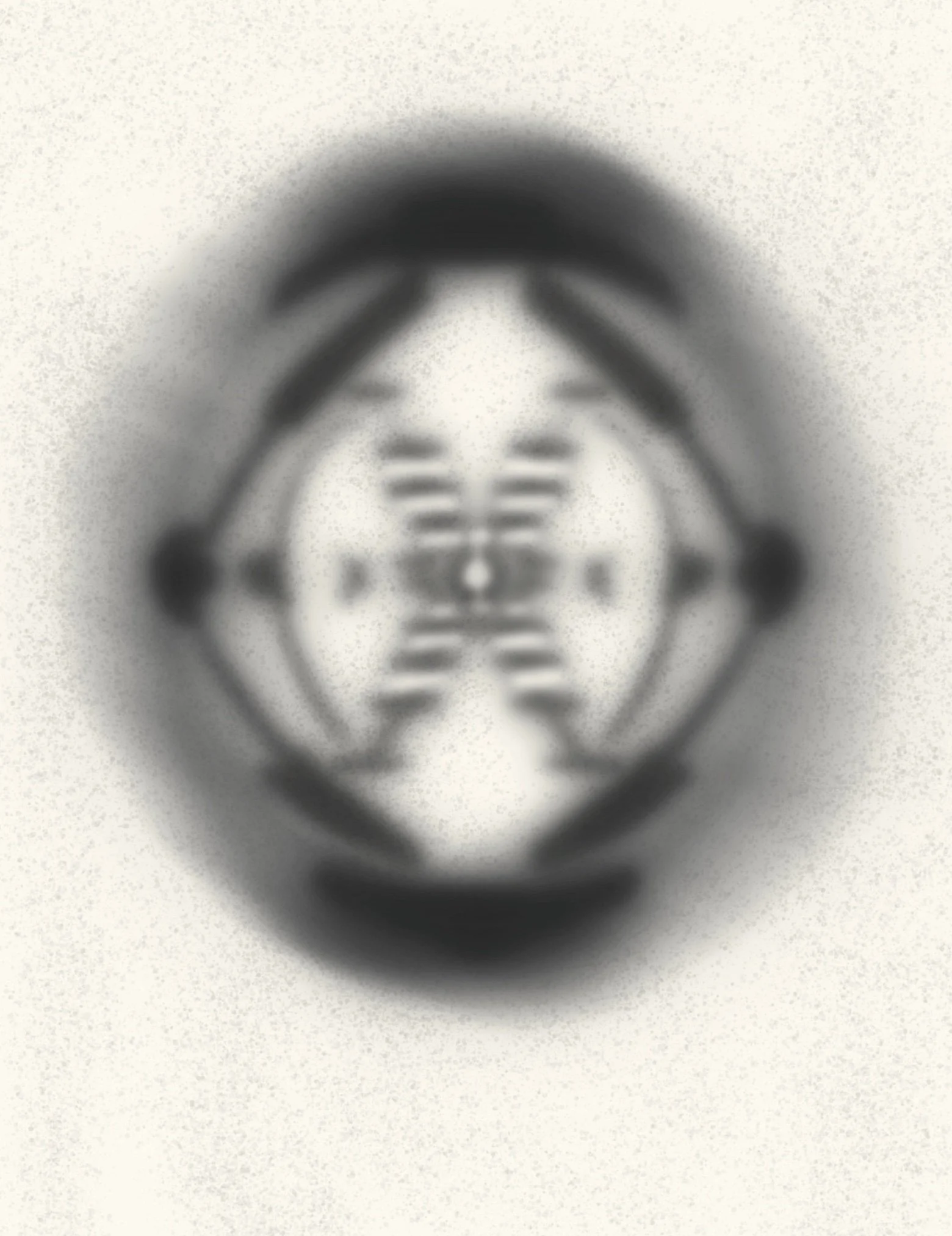
What if a picture could reveal something too small for the human eye to see?
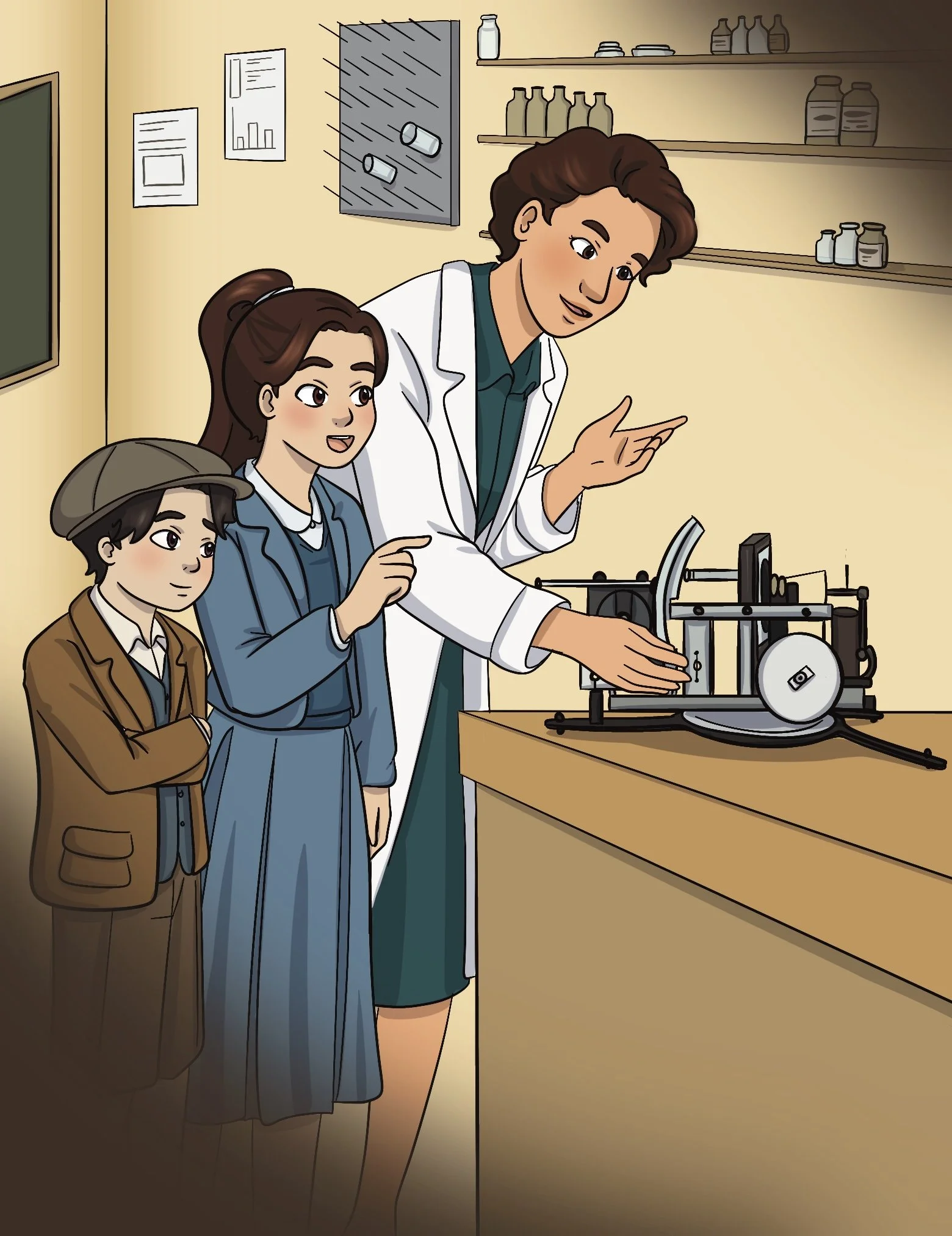
In Rosalind Franklin’s DNA Discovery, young readers travel with Jennifer and Daniel to 1951 London, where they step inside a working laboratory and learn how patterns of light helped uncover one of the greatest mysteries in biology.
Through Rosalind Franklin’s work with X-ray diffraction, children discover that science is not always loud or dramatic. Sometimes, it begins with patience, precision, and the courage to look closely.
Why Patience Matters in Science: Lessons from Rosalind Franklin’s Laboratory
Great discoveries do not always happen in one sudden moment.
In Rosalind Franklin’s DNA Discovery, Jennifer and Daniel learn that real science is built slowly, through careful notes, repeated trials, patient observation, and evidence that can stand up to doubt.
Rosalind Franklin’s laboratory shows young readers that patience is not waiting without purpose. It is the discipline of paying attention until the truth becomes clearer.
DNA, Discovery, and the Code of Life: A Time-Travel Adventure for Young Scientists
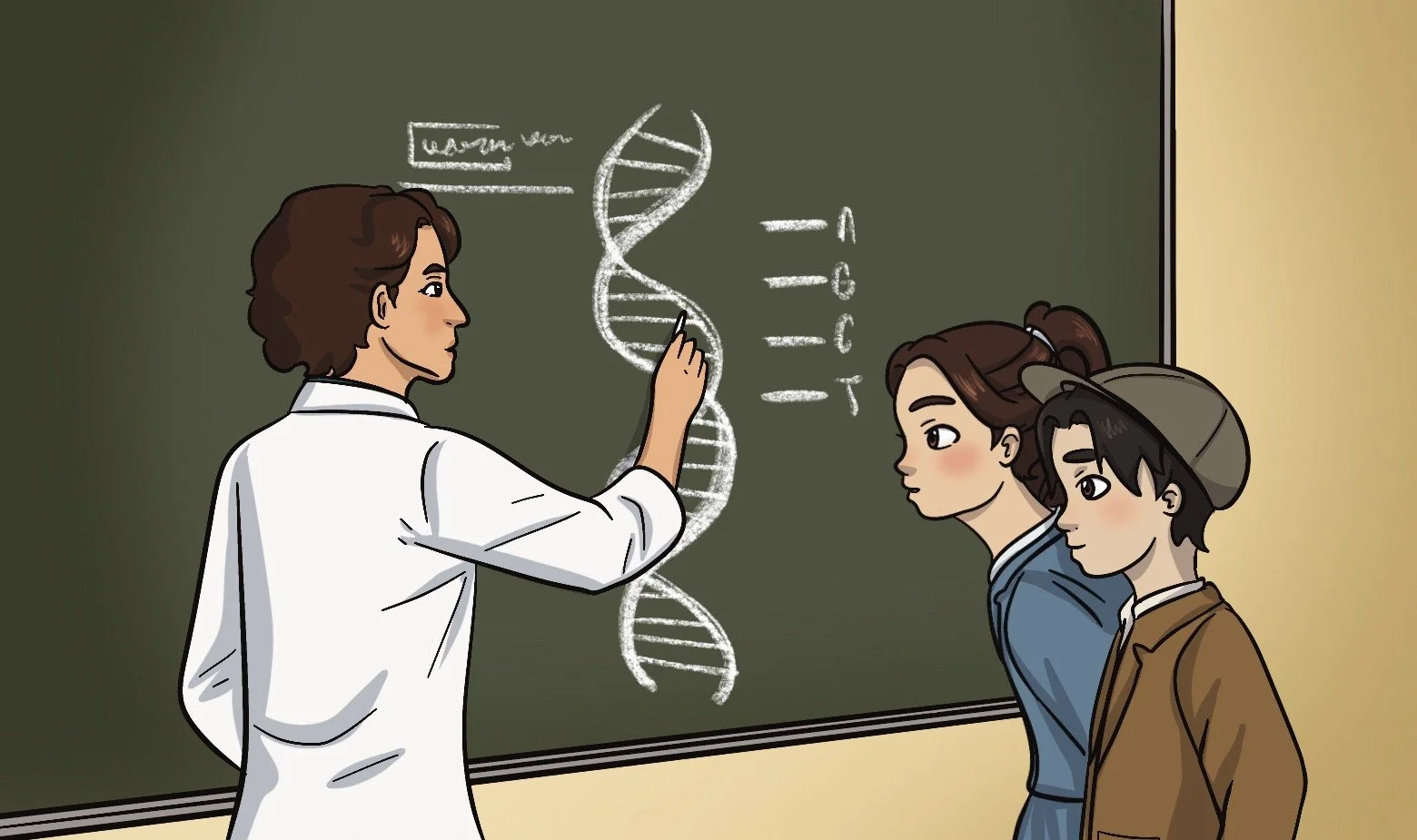
What is DNA, and why does its shape matter?
In Rosalind Franklin’s DNA Discovery, Jennifer and Daniel travel through time to explore one of the most important scientific questions of the twentieth century. Along the way, they learn that DNA is not just a topic in a textbook. It is the molecule that carries the instructions of life.
This adventure helps young readers see how history, biology, and curiosity come together in one unforgettable journey.
Einstein’s Big Idea, Why Time Is Not the Same for Everyone
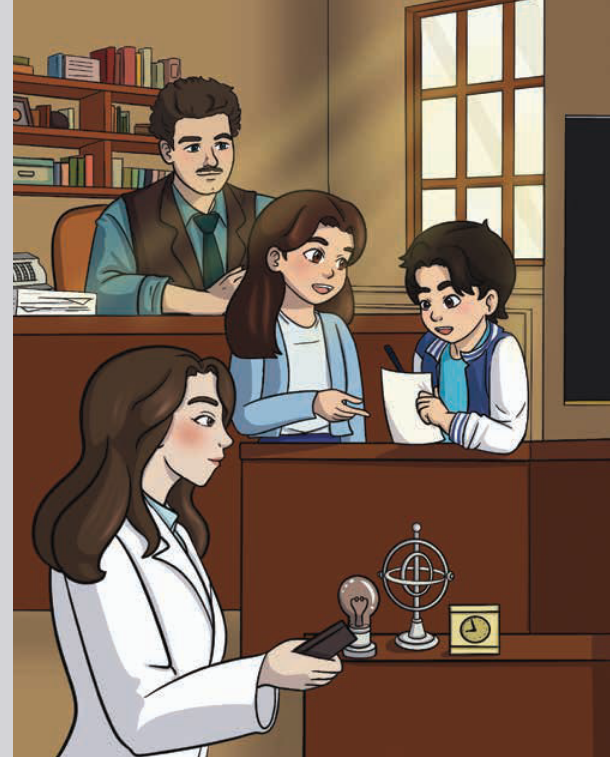
Time feels like the most reliable thing we know. A minute is a minute. A school day has the same number of class periods whether you are excited or bored. So when students first hear that Einstein said time can change, it can sound like a trick.
It is not a trick.
Einstein showed that time is connected to motion and gravity. That means time can behave differently depending on how fast you move and how close you are to a very massive object. The changes are usually too small for us to notice in daily life, but they are real, and they matter.
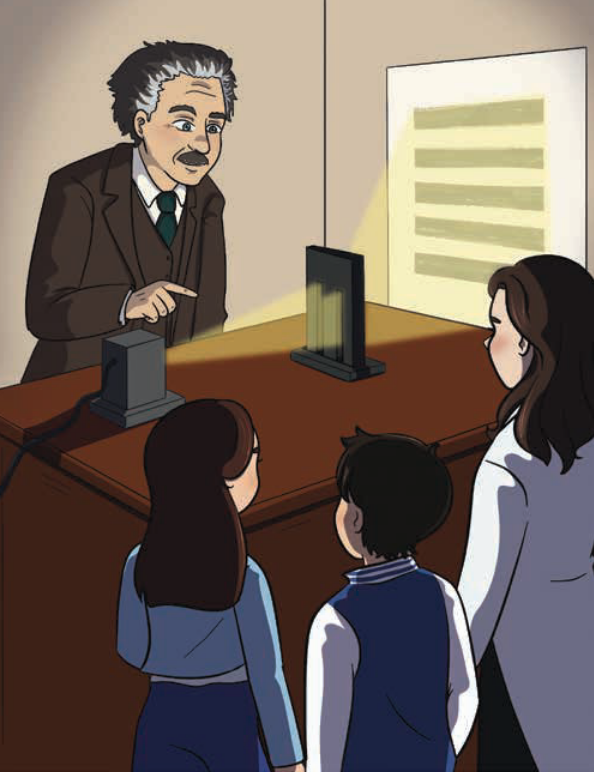
The Light Clock, A Simple Model That Explains Why Time Can Change
Time feels like the most reliable thing we know. A minute is a minute. A school day has the same number of class periods whether you are excited or bored. So when students first hear that Einstein said time can change, it can sound like a trick.
It is not a trick.
Einstein showed that time is connected to motion and gravity. That means time can behave differently depending on how fast you move and how close you are to a very massive object. The changes are usually too small for us to notice in daily life, but they are real, and they matter.
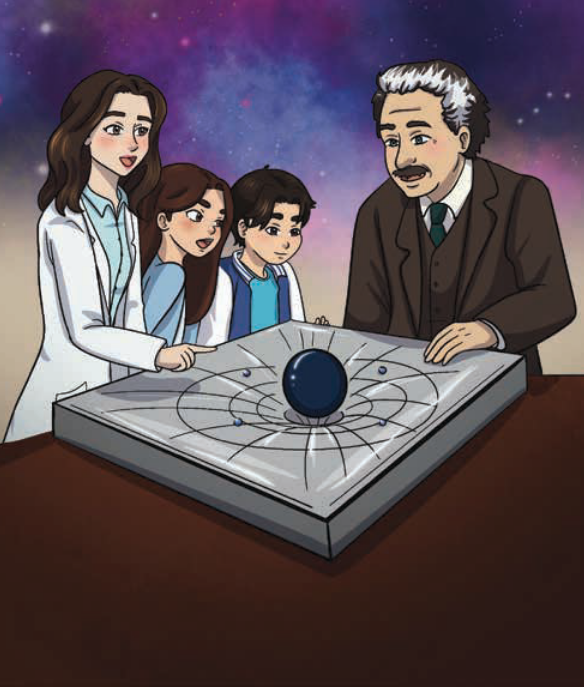
Gravity Is Not Just Pulling, It Is Curving Space
Time feels like the most reliable thing we know. A minute is a minute. A school day has the same number of class periods whether you are excited or bored. So when students first hear that Einstein said time can change, it can sound like a trick.
It is not a trick.
Einstein showed that time is connected to motion and gravity. That means time can behave differently depending on how fast you move and how close you are to a very massive object. The changes are usually too small for us to notice in daily life, but they are real, and they matter.
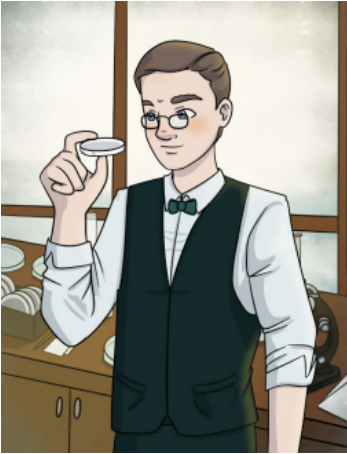
The Accidental Discovery That Changed Medicine
Step into the world of discovery with one of the greatest scientific minds in history!
This adventure through time is more than a story about medicine. It is about the power of curiosity, the courage to keep asking questions, and the importance of seeing possibilities where others see only accidents. It is about heroes who wear lab coats instead of capes, and how their quiet work can ripple across generations.
Alexander Fleming’s Penicillin Promise invites children and families alike to celebrate science as a journey, full of twists, setbacks, and surprises, but always moving toward hope.
A perfect read for young explorers who love science and stories of bold thinkers!

Galileo’s Legacy: Why He Still Matters Today.
Step into the world of discovery with one of the greatest scientific minds in history!
This blog takes young readers on a journey through Galileo Galilei’s groundbreaking experiments, his daring challenges to ancient beliefs, and his lasting impact on the way science is done today.
From spotting moons through a telescope to shaping the scientific method, Galileo’s story is full of courage, curiosity, and brilliant breakthroughs that still inspire the world.
A perfect read for young explorers who love science and stories of bold thinkers!

Fun Ways to Spark Kids' Interest in Science Through Storytelling
Science becomes magical when it is told as a story! Discover how characters like Jennifer, Daniel, and Dr. K use time travel, imagination, and hands-on adventures to make science come alive.
This blog shows parents and educators how storytelling opens doors to curiosity, creativity, and fun experiments—from building simple telescopes to stargazing and crafting time portals.
Ignite a lifelong love for science through the joy of narrative exploration!

How Time Travel Sparks Curiosity in Young Readers
What if you could visit the past and meet the greatest scientists in history?
In this exciting blog, young readers will discover how time travel can turn learning into an adventure.
Through stories like Dr. K's Portal Through Time, children journey with Jennifer and Daniel as they explore discoveries, meet famous inventors, and unlock mysteries from history and science. Time travel fuels imagination, sharpens thinking, and opens a world where curiosity is the key to every discovery!